
Understanding Native Tobacco in Canada: History, Traditions, and Modern Use
Struggling to find tobacco that truly respects your traditions and personal needs can feel isolating. Native tobacco Canada offers a direct connection to authentic, locally cultivated tobacco, grown with care and cultural integrity. Each purchase supports Indigenous communities while providing a smoother, more natural smoking experience. Simply choose your preferred blend online, and it arrives discreetly at your door, ready for ceremony or personal reflection.
What Exactly Is Native Tobacco and How Does It Differ From Regular Store Brands?
Native tobacco in Canada refers to the unblended, additive-free leaf grown and harvested by Indigenous communities, primarily on reserve lands. Unlike regular store brands, which are typically factory-cured mixtures containing hundreds of chemical additives, humectants, and flavorings, native tobacco is usually air-cured or sun-dried without artificial processing. This produces a pure, natural tobacco with a stronger, more earthy aroma and a harsher throat hit than commercial blends. Regular store brands are engineered for consistent burn and mildness, often with added sugars and ammonia to enhance nicotine delivery. Native tobacco, by contrast, is sold in loose leaf form or as unprocessed cigarettes, offering no chemical aftertaste and a more direct, robust experience. For Canadian smokers seeking an unadulterated product, native tobacco provides a distinctly different, raw alternative to mass-produced store cigarettes.

The Distinctive Curing Process That Defines Its Character
The character of native tobacco Canada hinges on a curing process that breaks from commercial convention. Rather than the forced, high-heat kiln drying used by major brands, traditional methods employ slow, air-cured aging in controlled barn environments. This gentle, natural dehydration allows sugars to fully break down, producing a leaf that is inherently less harsh and more robust in flavour. This traditional air-curing technique preserves the tobacco’s natural oils, creating a smoother, earthier smoke with a distinct, full-bodied profile. This patience-driven approach fundamentally alters the smoking experience itself, yielding a product that tastes of the land, not the lab.
Understanding the Strength and Nicotine Profile You’re Getting
Understanding the strength and nicotine profile you’re getting with native tobacco Canada starts with recognizing that these products are often unblended and unprocessed, meaning the nicotine hit is typically more intense and direct than commercial cigarettes. Unlike store brands, which use additives and curing methods to moderate delivery, native tobacco delivers a raw, full-bodied strength that can catch smokers off guard. You must test a small amount first, because the potency varies by batch and leaf source, making assumptions risky. To gauge your tolerance, compare the immediate throat hit and the time it takes to feel a buzz—this tells you whether you need to adjust your draw or frequency. That direct feedback loop is your best tool for calibrating your experience.
Native tobacco’s strength is unpredictable but robust, so your personal hit-test is the only reliable way to map its nicotine profile.
How to Choose the Right Type of Native Tobacco for Your Smoking Style
When picking native tobacco in Canada, match the cut to how you pack and burn. Loose leaf is ideal for hand-rolling or pipes, giving you a slow, even smoke that suits a relaxed session. If you prefer quick, potent hits from a cigarette tube, go with a fine-cut or shredded blend—it packs tight and lights fast. For a more traditional experience, try whole-leaf or twist tobacco, which you can break apart and smoke as-is; it’s stronger and earthier. Ask yourself: do you want a mellow, long-lasting burn or a sharp, speedy draw? Short answer: loose leaf for lounging, fine cut for convenience. Smell and moisture matter too—dryer tobacco snaps crisply, while moist strands need re-drying before rolling. Sample small bags first to see what complements your rhythm.
Comparing Loose Leaf, Cigarettes, and Traditional Blends
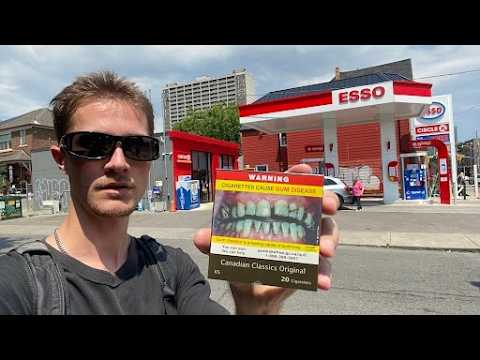
When choosing between loose leaf, cigarettes, and traditional blends of Native tobacco, your smoking style dictates the practical fit. Loose leaf offers the most control over burn rate and strength, ideal for hand-rolling or pipe use, letting you adjust the density for a slower, cooler smoke. Pre-rolled cigarettes deliver unmatched convenience and a consistent, mild draw, perfect for quick sessions or those transitioning from commercial brands. Traditional blends, however, combine specific native varieties with natural herbs, creating Buy cigarettes online Canada a **distinctly robust and ceremonial character** that loose leaf or cigarettes lack. Your choice ultimately hinges on whether you prioritize ritualistic depth, sheer portability, or hands-on customization.
Q: Which option best handles a heavy daily smoking habit?
A: Loose leaf generally excels here because you can pack more volume per session without the harshness of chain-smoking cigarettes, while traditional blends often prove too intense for all-day use.
Matching the Cut and Moisture Level to Your Rolling Preferences
Matching the cut and moisture level to your rolling preferences is essential for a satisfying experience with Native tobacco Canada. A fine, dry cut suits those who prefer tightly packed, slow-burning cigarettes, while a coarser, slightly moist ribbon is ideal for hand-rolling looser, more flavorful smokes. If you favor a pipe, opt for a broader cut that allows airflow without packing down too hard. Moisture dictates burn rate, so a damp blend may require frequent relighting, whereas overly dry leaves can create a harsh, fast burn. Test small amounts to find the balance that complements your technique. For most rollers, a medium-cut, lightly cured tobacco offers the greatest versatility, bridging the gap between ease of rolling and even combustion.
Step-by-Step Guide to Preparing and Rolling Native Tobacco Properly
To prepare native tobacco from Canada properly, first moisture-condition the whole leaf by misting it lightly with distilled water and sealing it in a glass jar for two hours. Once pliable, remove the central stem by tearing it lengthwise, then stack the leaves and slice them into fine, uniform shreds no wider than 1/16th of an inch. For rolling, use a classic zig-zag paper—never pre-made tubes, as they compress the natural oils. Spread the shreds evenly along the crease, leaving a 3-millimeter gap at the ends. Tuck the paper’s inner edge over the tobacco, then roll forward with your thumbs, applying constant, gentle pressure to form a tight cylinder. Finally, lick the gum strip and seal by pressing the seam flat, then twist both ends to lock the load.
The key is patience: native Canadian tobacco is stickier than commercial blends, so roll slowly to prevent tearing, and let the rolled cigarette rest one minute before lighting to stabilize the burn.
This technique preserves the leaf’s earthy aroma and ensures an even, slow ember.
Adjusting Moisture for the Perfect Burn and Draw
In the context of Native tobacco Canada, adjusting moisture is the defining factor between a harsh, fast-burning smoke and a slow, cool draw. If the tobacco feels brittle or crackles when pinched, it is too dry; lightly mist it with distilled water, seal it in a glass jar, and let it rest for several hours to rehydrate evenly. Conversely, if it clumps and fails to stay lit, spread the leaves on a porous surface for a short period to release excess humidity. The ideal state is a springy, slightly tacky texture that holds a pinch without sticking. This moisture balance ensures an even ember and a consistent, effortless draw throughout the smoke.
Tips for Packing and Rolling a Consistent, Slow-Burning Smoke
For a consistent, slow-burning smoke with native tobacco, start by shredding the leaves into a fine, even ribbon—avoid clumps, which create hot spots. Pack the rolling paper’s channel loosely at the filter end, then tighten pressure gradually toward the tip; this density gradient prevents canoeing. Moisten the gum line sparingly, and use a packing tool to tamp the open end until the roll offers slight resistance when squeezed. Mastering even density distribution is the single most reliable way to control burn rate. If it burns too fast, add a few more fibers near the middle; if it stalls, loosen the centre gently.
- Use a consistent pinch size—about 0.4 grams per standard paper—for repeatable burn times.
- Roll in one continuous motion to avoid air gaps that accelerate burning.
- Test the draw before sealing: a tight pull means overpacking, a whistling sound means underpacking.
Best Ways to Store Native Tobacco to Keep It Fresh and Flavorful Longer

To keep your native tobacco Canada supply tasting as robust as the day you bought it, prioritize an airtight glass jar over plastic, which can leach a stale taste over time. Store that sealed jar in a cool, dark cupboard—never the fridge, where moisture fluctuations crush the natural oils. For long-term, add a small humidity pack (62% RH) to maintain that perfect pliable texture.
Native Canadian blends often carry a unique, earthy sweetness that fades fast with oxygen.
Burp the jar weekly to release trapped air, and keep different varieties separately wrapped in natural paper inside, so their distinct aromas don’t cross. Avoid direct sunlight and heat vents; steady, mild conditions preserve the leaf’s native character far longer.
Selecting the Right Container and Environment for Optimal Shelf Life
Selecting the right container and environment is critical for extending the shelf life of native tobacco in Canada. Use an airtight glass or metal container with a rubber gasket, as these materials do not absorb oils or impart odors, unlike plastic. Store the container in a cool, dark place with a stable temperature between 15–18°C, avoiding humidity above 65% to prevent mold. A humidity-control pack (62% RH) inside the jar maintains optimal moisture. Avoid opening the container frequently, as each exposure introduces oxygen and moisture fluctuation.
- Use opaque, airtight glass jars to block light and limit air exchange.
- Keep the container away from heat sources like radiators or direct sunlight.
- Add a Boveda-style pack for consistent humidity, replacing it every 2–3 months.
- Store in a dedicated cupboard or cooler, not near spices or chemicals that can transfer scent.
Signs Your Supply Has Dried Out and How to Revive It
When your native tobacco crumbles at a light touch, smells flat instead of earthy, or burns harshly with little smoke, the supply has dried out. Reviving it requires immediate action: place the tobacco in a sealed glass jar with a damp (not wet) cotton ball or a piece of apple peel for 6–12 hours. Check frequently—over-humidifying causes mold. Alternatively, use a dedicated humidor stone. Once pliable, remove the moisture source and seal tightly. **Proper rehydration restores flavor and prevents burning issues**, so test a small pinch between your fingers before using the full batch. If the tobacco feels brittle and lifeless again within days, your storage container is leaking—switch to an airtight ceramic or food-grade stainless steel vessel.

Common Questions First-Time Users Ask About Native Tobacco—Answered
First-time users of Native tobacco Canada often ask about its distinct aroma and strength, which differ markedly from commercial blends. The most common question—does it require ceremonial use—is answered simply: traditional Native tobacco is for personal smoking, though many choose to offer it in prayer. Another frequent query concerns moisture content; natural loose-leaf tobacco is typically drier, so pack it loosely for a slower burn. Users also wonder if it is harsh—proper hydration with a small steam or apple slice enhances smoothness without altering the authentic taste. Finally, first-timers ask about storage; keep it in a sealed glass jar away from light to preserve its earthy, resinous character. These practical answers ensure you enjoy the genuine, unprocessed experience offered by Native tobacco Canada.
Is Native Tobacco Stronger or Milder Than Commercial Options?
In comparing native tobacco to commercial options, the difference is not simply potency but composition and processing. Commercial blends undergo homogenization, adding humectants and chemical additives that create a milder, more uniform burn. Native tobacco, particularly traditional varieties, is air-cured and additive-free, resulting in a harsher, earthier smoke that many perceive as stronger due to higher natural nicotine and tar content per gram. However, commercial “strong” brands can match or exceed this via engineered nicotine salts. For first-time users, the practical takeaway is that native tobacco delivers a more immediate, unmediated physiological hit—often causing dizziness if inhaled deeply—whereas commercial options offer a smoother, more predictable throat feel. Ultimately, “stronger” is subjective: native tobacco’s raw intensity feels sharper, but commercial products can deliver comparable nicotine with less harshness.
How Much Should You Use Compared to a Regular Cigarette?
When switching from a commercial cigarette to native tobacco in Canada, start with roughly one-third to one-half of your usual amount. Native tobacco is often cut more loosely and burns hotter, so a single pinch or hand-rolled smoke can deliver nicotine faster than a tightly packed filter cigarette. For your first sessions, smoke in short intervals—take two to three puffs, wait five minutes, and assess dizziness or nausea before continuing. If you typically smoke ten commercial cigarettes daily, begin with four to six native smokes, then adjust down or up based on your body’s response. Never pack the pipe or wrap as tightly as a regular cigarette, as that increases intensity disproportionately.
What’s the Best Way to Transition From Mainstream Brands to This Variety?
To transition from mainstream brands to native tobacco, start by selecting a milder variety, such as a light or original blend, rather than jumping straight to a strong, full-bodied option. Begin by mixing a small portion of native tobacco with your usual brand, gradually increasing the ratio over one to two weeks. This method lets your palate adjust to the different curing process and moisture level without overwhelming you. Pay close attention to how the smoke feels, since native tobacco often has a distinct, earthy profile that differs significantly from commercial additives. You should also slightly reduce your puffing pace, as native blends tend to burn slower. The most reliable approach is a step-by-step ratio shift, which minimizes harshness and lets you appreciate the natural leaf before committing fully.